
Puberty timeline for girls: what changes happen when (and what varies)
Quick answer
Puberty is a series of body and feelings changes that usually starts in girls sometime between 8 and 13, then continues gradually over a few years. Many girls notice breast budding early on, then body hair, sweat/body odour, skin changes, a growth spurt, hips widening, and sometimes clear/white discharge. Periods often begin around about 2 years after breast changes start, but the normal range is wide. If your timeline doesn’t match your friends, that’s very common.
Key points
- Puberty can start at different ages, and that can still be normal.
- Changes often happen slowly and can overlap.
- The order can vary (your body doesn’t follow a checklist).
- One side can start first (especially with breast growth).
- Periods often come later, but “later” doesn’t mean “wrong”.
- It’s OK to ask for help if you feel worried, in pain, or overwhelmed.

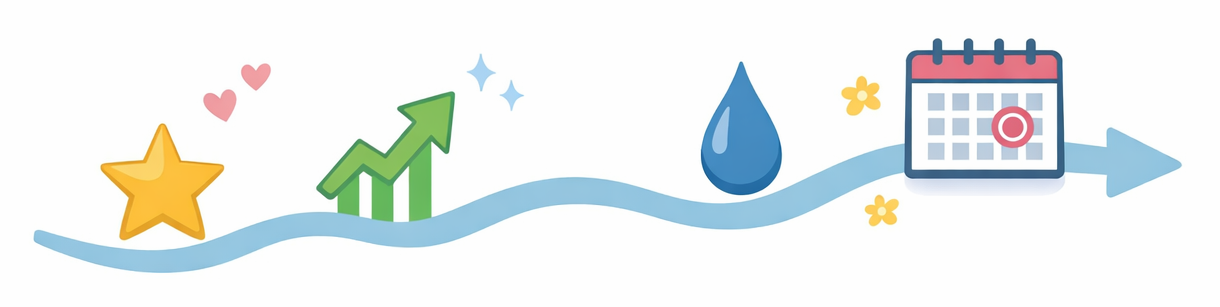
A simple puberty timeline (typical order, not a rule)
Think overlapping waves, not neat steps.
Early signs (often ages 8–13)
- Breast budding or tenderness (one side can start first)
- Feeling more aware of your body, or more easily embarrassed
- A growth spurt may begin or follow
Hair + sweat + skin
- Pubic or underarm hair starts to grow
- More sweat and body odour
- Skin and hair may get oilier; spots can appear
Shape changes
- Hips may widen
- Body shape and weight distribution can change (this can feel strange, even if it’s healthy)
Discharge can begin
- Clear/white discharge can be normal in puberty (it can be your body’s way of keeping things comfortable and clean)
Periods (menstruation)
- Many girls start around age 12, but it can be earlier or later
- A common pattern is periods starting about 2 years after breast changes begin — but not everyone fits that pattern
What’s normal / common (variation is normal)
- Starting earlier than friends, or later than friends, is common.
- Changes can appear in a different order.
- Puberty can take a few years, so it’s normal to feel “in progress” for a while.
- The first months/years of periods can be irregular.
- Feelings can be more intense at times (not because you’re “dramatic”, but because your system is changing).

What can help (practical steps)
- Make a simple “puberty map” – jot down the month you first noticed changes (breast budding, discharge, first period). It reduces comparison stress.
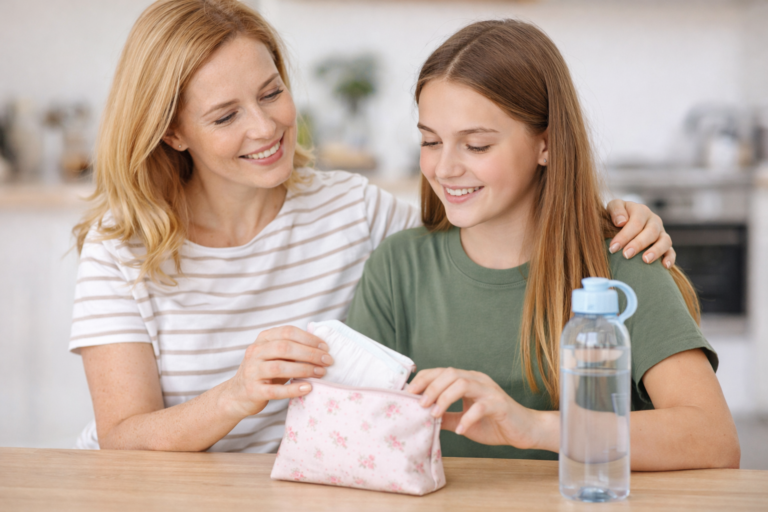
- Build a small “just-in-case” kit – a couple of pads, spare underwear, and a small bag. Knowing it’s there can calm your brain.
- Keep hygiene gentle – regular washing, deodorant if you want, fresh underwear daily. No need for harsh products.
- Choose comfort clothing – soft bras/vest tops, breathable fabrics, and a spare top for warmer days.
- Give your feelings basic support – food, water, sleep, movement, and one trusted person. Small basics can make a big difference.
- Practise one boundary sentence – “I’m not discussing my body.” Having a sentence ready can help if someone comments.
When to seek extra help
Consider speaking to a GP / health professional if:
- Puberty signs start before age 8
- There is no breast development by 13
- Periods haven’t started by 15
- You have discharge with itching, pain, or a strong unpleasant smell
- Pain, bleeding, or mood struggles are affecting school, sleep, or everyday life
- You feel unsafe because of comments, pressure, or someone crossing boundaries
For parents/caregivers: what to say / what to watch
What to say
- “Puberty starts at different times — you’re not behind.”
- “We can prepare a small kit so you don’t have to worry at school.”
- “If anyone makes comments about your body, I want you to tell me.”
What to watch
- Very early signs (before 8) or delayed signs (no breasts by 13 / no periods by 15)
- Ongoing distress, school avoidance, persistent low mood, or big changes in eating/sleep
Note from Linda
Puberty rarely follows a tidy timeline. A calm plan — information, comfort basics, and one trusted adult — usually helps more than trying to predict exactly when each change will happen.